Learning Pause Reward Chicken Road Frost Activity for UK Students

The Learning Break Reward Poultry Road Ice Game presents a distinctive method for UK students to incorporate restorative pauses into their learning routines. By promoting teamwork and strategic thought, it combines rest with friendly competition. As learners immerse themselves in this engaging activity, they not only revitalize their minds but also build a feeling of camaraderie. Understanding how to effectively participate in and reap the benefits could revolutionize the way they approach scholastic obstacles. Chicken Road Ice Game
What Is the Study Pause Prize Chicken Path Ice Game?
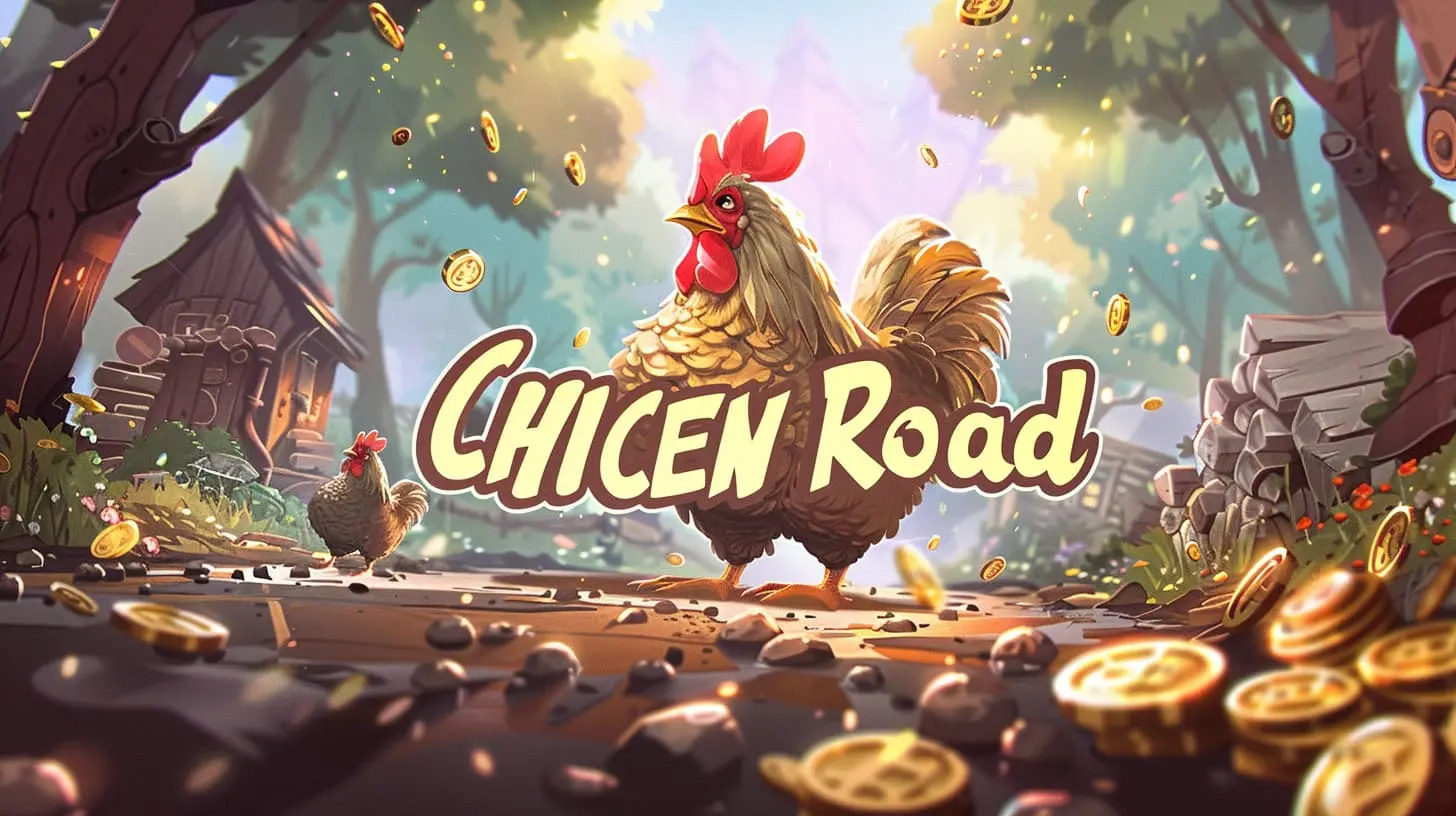
The Learning Pause Reward Chicken Road Ice Game is an interactive way for learners to unwind while boosting their focus and motivation. This game combines fun elements to create a groundbreaking pause activity, encouraging participants to step away from their academic pressures. It engages cognitive abilities by combining strategy and ingenuity, ensuring students stay intellectually alert while enjoying a period of enjoyment. Designed specifically for students, this activity acts as both a mental reset and a incentive system, motivating them to organize their learning schedule more effectively. By integrating collaboration and amiable contest, it fosters a feeling of camaraderie among peers, making learning pauses not just a halt but an opportunity for social interaction and group growth.
How to Play the Activity
Participating in the Study Break Prize Chicken Path Ice Game involves a mix of strategy, ingenuity, and a touch of friendly contest. To excel, participants should follow these instructions:
- Gather your materials
- Establish the scene
- Form teams
Benefits of Taking Study Breaks
Although studying can be intense and demanding, taking regular breaks can greatly enhance concentration and retention. Research shows that regular breaks help avoid cognitive overload, allowing the brain to recharge. This practice boosts focus, as students return to their tasks feeling refreshed and more attentive. Breaks also support better memory consolidation; stepping away gives the brain time to process information. In addition, incorporating physical activity during study breaks aids in reducing stress and enhancing mood, further boosting overall productivity. By creating a balanced study schedule that includes planned breaks, students not only optimize their performance but also develop better studying habits that serve them well beyond their academic endeavors. Emphasizing breaks ultimately results in more effective and enduring learning experiences.
Incorporating Rewards Into Your Study Routine
Incorporating rewards into a study routine can greatly improve motivation and productivity. By gamifying study sessions and celebrating small achievements, learners create a more captivating environment that encourages progress. These strategies make studying not just a task, but an pleasurable challenge.
Gamify Study Sessions
To improve focus and motivation during study sessions, many students are turning to gamification as an effective strategy. By integrating game elements into their study routines, they transform tedious tasks into fun and rewarding experiences. Here’s how they gamify their sessions:
- Point Systems
These methods not only boost engagement but also create a structured environment that aligns with a student’s journey for mastery.
Celebrate Small Achievements
Celebrating small achievements can greatly boost a student’s motivation and study productivity. By incorporating immediate rewards into their study routine, students can create a beneficial feedback loop that strengthens their efforts. For instance, after completing a tough chapter or mastering a particular concept, they might treat themselves to a quick break, a favorite snack, or a short game. This approach not only alleviates fatigue but also cultivates a sense of development and accomplishment. Furthermore, tracking these milestones can provide evidence of their hard work, increasing overall satisfaction. Ultimately, recognizing and rewarding small victories creates a more effective study environment, encouraging students to push through challenges and achieve their academic goals with revitalized enthusiasm.
Tips for Effective Study Breaks
While many students grasp the importance of regular study breaks, knowing how to make those breaks effective can greatly boost concentration and retention. Here are some tips to contemplate:
- Engage in physical activity
- Stay hydrated
Applying these approaches can modify breaks from studying into effective means for better learning.
Feedback From UK Learners
A number of UK students have conveyed their stories about how academic pauses improve their education and efficiency. For illustration, Emily, a third-year level biology learner, mentioned that integrating quick pauses refreshed her focus during extended study times. In the same way, Raj, an engineering studies scholar, stated using the Chicken Road Ice Game as a fun diversion that efficiently restored his focus. Many learners reported becoming more inspired and invigorated after these rests, enabling them to approach difficult topics with reinvigorated vigor. Jason, a creative writing scholar, expressed that these times of respite fostered innovation, improving his creations. Overall, reviews highlight that intentional pauses, combined with stimulating activities like the Chicken Road Ice Game, not only ease fatigue but also significantly boost academic performance.
Closing Thoughts
The Study Break Reward Chicken Road Ice Game gives UK scholars a distinctive approach to rejuvenate their thoughts during study sessions. By mixing planning, teamwork, and a touch of amicable rivalry, it not only rejuvenates concentration but also strengthens community ties among fellow students. Integrating such engaging breaks into academic routines can considerably improve general productivity and well-being. Welcoming playful yet meaningful breaks, learners can improve their academic path while cultivating lasting connections with colleagues.
More from my site
 Gravity’s Gamble A plinko app review revealing sky-high RTP and colossal win potential.
- – Официальный сайт Pinco играть онлайн Зеркало и вход.723 (2)
- Личный кабинет 1xbet: Как вошли С Официального Сайта?
- Ladbrokes Sus particulares del Casino terminator dos giros carente boquilla 2024: acceder, Tiradas Gratuito, Bono Falto Tanque
- Лото Авиаклуб Онлайновый Ссылка нате должностной веб-журнал Loto Club для сосредоточения вдобавок входа
- Discover the Excitement of Free Roulette Game Online